
A Beginner's Guide to Diverse Spiritual Paths
- jules Magazzeni
- May 26
- 4 min read

Embarking on a spiritual journey can feel both exciting and overwhelming. There are so many paths to explore, each with its own unique practices, beliefs, and communities. Whether you are drawn to nature-based spirituality, ancient traditions, or modern mystical practices, this beginner spiritual paths guide will help you understand some of the most diverse spiritual paths available today. I’ll walk you through the basics, share practical tips, and encourage you to find what resonates with your heart.
Understanding the Landscape of Spiritual Paths
Spirituality is a deeply personal experience, and there is no one-size-fits-all approach. Many people find comfort and meaning in paths that connect them to nature, the divine, or their inner selves. Some paths are rooted in ancient traditions, while others are modern interpretations or blends of various beliefs.
Here are a few broad categories to consider:
Nature-based spirituality: This includes Paganism, Wicca, Druidry, and other earth-centered paths. These traditions honor the cycles of nature, the elements, and the sacredness of the earth.
Mystical and esoteric traditions: Paths like Kabbalah, Hermeticism, and Theosophy explore hidden knowledge and spiritual mysteries.
Eastern philosophies and religions: Buddhism, Taoism, and Hinduism offer rich spiritual teachings focused on mindfulness, meditation, and enlightenment.
Indigenous and shamanic practices: These paths emphasize connection with ancestors, spirits, and the natural world through rituals and ceremonies.
Each path offers unique tools and perspectives. The key is to explore with an open mind and heart.

Exploring Beginner Spiritual Paths Guide: Practical Steps to Start
Starting your spiritual journey can be simple and rewarding. Here are some practical steps to help you begin:
Reflect on your intentions
Ask yourself why you want to explore spirituality. Are you seeking peace, connection, healing, or knowledge? Clarifying your intentions will guide your path.
Read and research
Dive into books, articles, and podcasts about different spiritual paths. Look for beginner-friendly resources that explain core beliefs and practices clearly.
Try simple practices
Meditation, journaling, spending time in nature, or lighting candles can be gentle ways to connect with your spirituality.
Join communities
Look for local groups, online forums, or workshops where you can meet others on similar paths. Sharing experiences enriches your journey.
Be patient and open
Spiritual growth takes time. Allow yourself to explore without pressure or judgment.
Remember, this beginner spiritual paths guide is here to support you in finding your own way.

Common Spiritual Paths and What They Offer
Let’s take a closer look at some popular spiritual paths you might encounter:
Paganism and Wicca
Paganism is an umbrella term for earth-based spiritualities that honor nature and the cycles of life. Wicca, a modern Pagan religion, emphasizes the worship of a Goddess and God, ritual magic, and seasonal festivals called Sabbats. These paths often involve:
Celebrating the Wheel of the Year (seasonal festivals)
Working with natural elements (earth, air, fire, water)
Practicing rituals and spellwork for personal growth
Druidry
Druidry is inspired by the ancient Celtic priests and focuses on harmony with nature, poetry, and wisdom. Druids often engage in:
Nature meditation and ceremonies
Studying mythology and folklore
Honoring ancestors and the land
Shamanism
Shamanic practices involve journeying to spiritual realms to seek guidance and healing. Shamans work with spirit animals, ancestors, and elemental forces. Common practices include:
Drumming or rhythmic music to enter trance states
Vision quests and soul retrieval
Healing rituals
Eastern Spiritual Traditions
Paths like Buddhism and Taoism offer teachings on mindfulness, compassion, and balance. Meditation and ethical living are central. These paths encourage:
Daily meditation practice
Study of sacred texts and teachings
Living in harmony with the Tao or Dharma
Mysticism and Esotericism
Mystical paths explore the hidden aspects of spirituality. They often involve symbolism, meditation, and the study of ancient wisdom. Examples include:
Kabbalah (Jewish mysticism)
Hermeticism (ancient Greek-Egyptian philosophy)
Theosophy (modern spiritual philosophy)
Each path offers unique insights and tools. You might find yourself drawn to one or blending elements from several.
How to Create Your Own Spiritual Practice
One of the most beautiful aspects of spirituality is that you can tailor your practice to fit your needs and beliefs. Here’s how to start crafting your own spiritual routine:
Set a sacred space: Create a small altar or corner with meaningful objects like crystals, candles, herbs, or symbols.
Daily rituals: Begin with simple acts like lighting a candle, saying a prayer, or meditating for a few minutes.
Connect with nature: Spend time outdoors, observe the seasons, and practice grounding exercises.
Keep a spiritual journal: Write down your experiences, dreams, and insights.
Learn and adapt: As you grow, add new practices or modify existing ones to suit your evolving path.
This approach helps you stay connected and intentional in your spiritual journey.
Embracing Community and Lifelong Learning
Spirituality flourishes in community. Finding others who share your interests can provide support, inspiration, and friendship. Consider:
Attending local gatherings or workshops
Joining online groups or forums
Participating in seasonal celebrations or rituals
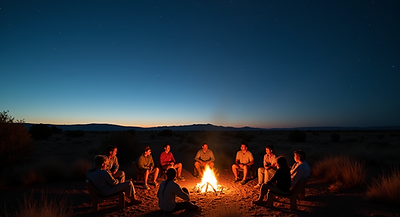
The Sacred Grove Coven, for example, is growing into a central hub for practitioners of all pagan paths, fostering a strong, authentic community in the rural high desert. They also offer educational resources and unique merchandise to support your practice. For more information, I encouraged to visit www.luciussirius.com
Remember, your spiritual path is a lifelong journey. Keep exploring, learning, and connecting with others who inspire you.
I hope this beginner spiritual paths guide encourages you to take the first steps on your unique journey. Embrace curiosity, be gentle with yourself, and enjoy the unfolding adventure of discovering your spiritual self.


Comments