

Exploring Rituals Within Witches' Covens: Common Coven Practices
- jules Magazzeni
- Mar 24
- 4 min read

When we think about witches' covens, images of secret gatherings and mystical ceremonies often come to mind. But what truly happens during these sacred meetings? As someone deeply connected to the craft, I want to share insights into the common coven practices that shape the spiritual and communal life of witches. These rituals are not just about magic; they are about connection, growth, and honoring the cycles of nature.
Understanding the Foundation of Common Coven Practices
Every coven has its unique flavor, but many share foundational practices that create a safe and sacred space. These common coven practices help members bond and deepen their spiritual work together.
Circle Casting: This is the first step in most gatherings. The circle is cast to create a protected space where energies are contained and focused. It’s a simple yet powerful act that sets the tone for the ritual.
Calling the Quarters: Invoking the four elements—Earth, Air, Fire, and Water—grounds the group and invites balance. Each element is called upon to watch over the circle and bless the work.
Meditation and Centering: Before diving into ritual work, members often take a moment to center themselves. This can be a guided meditation or a few deep breaths to align mind, body, and spirit.
These practices might seem straightforward, but they are essential. They remind us that magic flows best when we are grounded and connected to the natural world.

The Role of Seasonal Celebrations in Coven Life
Seasonal festivals, or Sabbats, are the heartbeat of many covens. These celebrations mark the turning points of the year and honor the cycles of the Earth. Participating in these rituals helps us stay in tune with nature’s rhythms.
Samhain: Often considered the witch’s New Year, this festival honors ancestors and the thinning veil between worlds.
Beltane: A joyful celebration of fertility and new life, marked by dancing and fire rituals.
Yule: The winter solstice festival, celebrating the rebirth of the sun and the return of light.
Each Sabbat has its own set of rituals, chants, and symbols. For example, during Beltane, a maypole might be danced around, while at Samhain, a special altar is set up to honor those who have passed.
Engaging in these seasonal rituals together strengthens the coven’s bond and deepens our respect for the Earth’s cycles.
Tools and Symbols: Enhancing the Ritual Experience
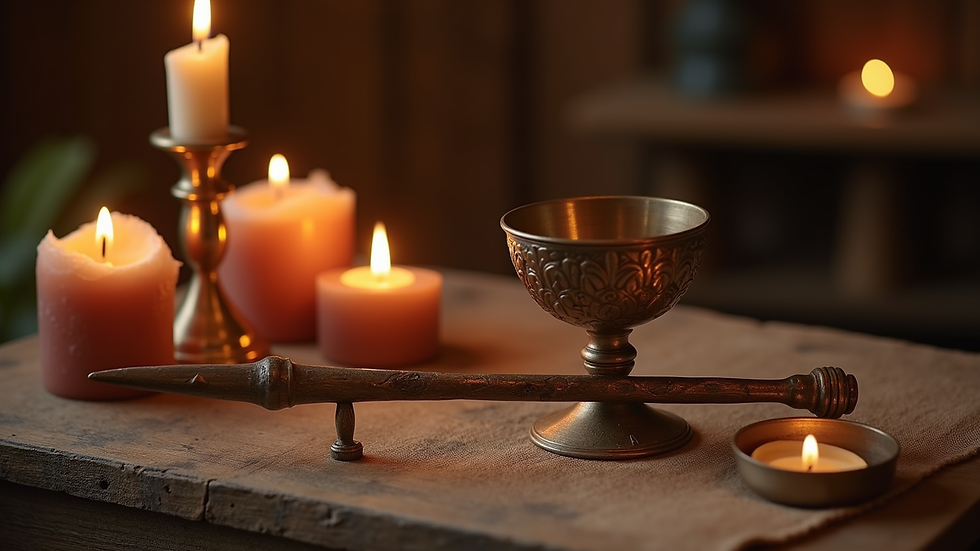
Every ritual is enriched by the use of specific tools and symbols. These items are not just props; they carry energy and intention that amplify the magic.
Athame: A ritual knife used to direct energy. It is never used for physical cutting but for symbolic purposes.
Chalice: Represents the element of water and is often used to hold ritual drinks or offerings.
Pentacle: A flat disc inscribed with a pentagram, symbolizing protection and the elements.
Candles and Incense: Used to invoke spirits, set mood, and purify the space.
Each tool has a story and a purpose. When handled with respect, they become powerful extensions of the practitioner’s will.
The Importance of Group Dynamics and Roles
A coven is more than just a group of individuals; it is a community with shared goals and responsibilities. Understanding the roles within a coven helps rituals flow smoothly and meaningfully.
High Priestess or Priest: Often leads the ritual, guiding the group through the ceremony.
Members: Participate actively, bringing their energy and intentions.
New Initiates: May observe or take part in simpler tasks as they learn.
Communication and respect are key. Each member’s contribution is valued, and rituals often include moments for sharing personal insights or experiences. This openness fosters trust and deepens the spiritual connection.
How to Create Your Own Coven Rituals
If you’re inspired to start or enrich your own coven’s practices, here are some gentle steps to guide you:
Set Clear Intentions: Decide what you want to achieve with your ritual. Is it healing, protection, celebration, or something else?
Choose a Sacred Space: Find a quiet, comfortable place where you won’t be disturbed.
Gather Your Tools: Select items that resonate with your intention.
Plan the Structure: Include opening, main work, and closing phases. Don’t forget to cast and close the circle.
Invite Participation: Encourage everyone to contribute, whether through chanting, sharing, or holding space.
Reflect Together: After the ritual, take time to discuss what was experienced and learned.
Remember, rituals are living practices. Feel free to adapt and evolve them as your coven grows.
For those interested in diving deeper, exploring witches coven rituals can offer a wealth of inspiration and guidance.
Embracing the Journey of Shared Magic
Being part of a coven is a beautiful journey of shared magic and mutual support. The rituals we perform together are more than ceremonies - they are moments of transformation and connection. Whether you are new to this path or have walked it for years, embracing these common coven practices can enrich your spiritual life and strengthen your bonds.
I encourage you to approach each ritual with an open heart and a curious mind. Let the energy of the group lift you, and allow the wisdom of the craft to guide you. Together, we can create a vibrant, authentic community that honors the sacred in every moment.
May your circle always be strong, and your magic ever bright. Blessed be.



Comments