
The Evolution of Spiritual Practices in Witchcraft
- jules Magazzeni
- Feb 9
- 4 min read

Witchcraft has always been a deeply personal and evolving spiritual path. Over centuries, its practices have shifted, adapted, and blossomed in response to cultural changes, new knowledge, and the needs of practitioners. As someone who has walked this path and witnessed its growth, I find it inspiring to explore how spiritual practices in witchcraft have evolved. This journey reveals not only the resilience of ancient wisdom but also the vibrant creativity of modern practitioners.
Understanding Spiritual Practices Evolution in Witchcraft
Spiritual practices in witchcraft are the heart of the craft. They include rituals, meditation, spellwork, divination, and connection with nature and the divine. Historically, these practices were often secretive, passed down orally or through close-knit communities. Today, they are more accessible, diverse, and inclusive.
The evolution of these practices reflects a broader spiritual awakening. For example, early witchcraft often focused on survival and protection, using herbs and charms to ward off harm. Now, many practitioners emphasize healing, empowerment, and personal growth. This shift shows how spiritual practices evolve to meet the emotional and psychological needs of the time.
One clear example is the rise of solitary witchcraft. In the past, witchcraft was mostly practiced in groups or covens. Today, many people practice alone, tailoring rituals to their unique spiritual journeys. This change has encouraged innovation and personalization, making witchcraft more approachable for newcomers.

Key Milestones in the Spiritual Practices Evolution
To appreciate the evolution fully, it helps to look at some key milestones:
Ancient Roots: Early witchcraft was intertwined with nature worship and animism. People honored spirits of the land, animals, and ancestors. Rituals were simple but powerful, often involving offerings and seasonal celebrations.
Medieval and Renaissance Periods: Witchcraft became associated with magic and the occult. Practices included herbalism, astrology, and divination. Unfortunately, this era also brought persecution, forcing many practitioners underground.
19th and 20th Century Revival: The modern witchcraft movement began with figures like Gerald Gardner, who introduced Wicca. This period saw the formalization of rituals, the creation of covens, and the publication of books that spread knowledge widely.
Contemporary Practices: Today, witchcraft embraces diversity. Practices include eclectic spirituality, technology-enhanced rituals, and global influences. The internet has played a huge role in connecting practitioners and sharing wisdom.
This timeline shows how spiritual practices evolve by blending tradition with innovation. It’s a reminder that witchcraft is a living, breathing path.
Embracing Nature and the Elements
Nature has always been central to witchcraft, and its role has grown even more significant in recent years. Many practitioners now emphasize ecological awareness and sustainability as part of their spiritual practice. This connection to the earth is not just symbolic; it’s a call to protect and honor the natural world.
Working with the elements - earth, air, fire, and water - remains a foundational practice. Each element represents different energies and qualities that can be invoked during rituals. For example:
Earth grounds and stabilizes.
Air inspires and clarifies.
Fire transforms and energizes.
Water cleanses and heals.
Incorporating these elements into daily practice helps deepen our connection to the planet and ourselves. Simple actions like lighting a candle, holding a bowl of water, or walking barefoot on the grass can become sacred rituals.

Tools and Symbols: Their Changing Roles
The tools and symbols used in witchcraft have also evolved. Traditional items like athames, wands, pentacles, and chalices remain popular, but many practitioners now adapt or create new tools that resonate personally.
For example, some use crystals and gemstones not just for their beauty but for their energetic properties. Others incorporate modern items like tarot decks with diverse artwork or digital apps for astrology and moon phases.
Symbols, too, have expanded beyond the classic pentagram or triple moon. Practitioners might use sigils they design themselves or embrace symbols from various cultures, reflecting a more global and inclusive spirituality.
This evolution encourages us to be creative and intentional. When choosing or crafting tools, ask yourself:
What energy do I want to invite?
How does this tool support my practice?
Does it feel authentic to me?
By answering these questions, you make your spiritual practice more meaningful and effective.
Rituals and Celebrations: Adapting to Modern Life
Rituals are the backbone of spiritual practice in witchcraft. They mark transitions, honor the cycles of nature, and focus intention. Over time, rituals have adapted to fit modern lifestyles without losing their power.
Seasonal celebrations like the Sabbats remain central, but many now celebrate in ways that suit their environment and schedule. For example, a practitioner living in a rural high desert might incorporate local plants and animals into their rituals, creating a unique connection to place.
Daily or weekly rituals have also become popular. These might include moon phase meditations, journaling, or simple offerings. The key is consistency and presence, not complexity.
If you’re new to ritual work, start small:
Light a candle and set an intention.
Spend a few minutes in quiet reflection.
Use a simple chant or affirmation.
These small steps build a strong foundation and invite spiritual growth.
The Role of Community in Spiritual Practices Evolution
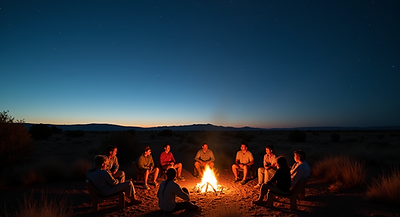
While solitary practice has grown, community remains vital. Coven gatherings, workshops, and online forums provide support, learning, and shared energy. The Sacred Grove Coven, for example, aims to be a central hub for practitioners of all pagan paths, fostering a strong, authentic community in the rural high desert.
Being part of a community helps us stay connected, inspired, and accountable. It also allows us to share knowledge and celebrate diversity within witchcraft.
If you’re seeking community, consider:
Joining local groups or covens.
Attending festivals or workshops.
Participating in online circles or social media groups.
Remember, community is about connection and respect. Find spaces where you feel safe and supported.
Continuing Your Spiritual Journey
The evolution of spiritual practices in witchcraft is ongoing. As we grow, so do our rituals, tools, and connections. Embrace this evolution with an open heart and curious mind. Explore new traditions, honor old ones, and create a practice that feels true to you.
If you want to deepen your knowledge, consider exploring resources like books, courses, and trusted websites. The Sacred Grove Coven offers educational offerings and unique merchandise designed to support your path.
Above all, trust your intuition. Your spiritual practice is a personal journey, and every step you take is meaningful.
I hope this exploration of the spiritual practices evolution in witchcraft encourages you to reflect on your own path. Remember, witchcraft is a living tradition, shaped by each of us. Keep learning, keep growing, and keep connecting with the magic around you.


Comments