
The Evolution of Spiritual Practices in Witchcraft
- jules Magazzeni
- Mar 24
- 4 min read

Witchcraft has always been a deeply personal and evolving spiritual path. Over centuries, its practices have shifted, adapted, and blossomed in response to cultural changes, new knowledge, and the needs of practitioners. As someone who has walked this path and witnessed its growth, I find it inspiring to explore how spiritual practices in witchcraft have evolved. This journey not only honors the past but also lights the way forward for those seeking connection, empowerment, and meaning.
Understanding Spiritual Practices Evolution in Witchcraft
Spiritual practices in witchcraft are as diverse as the people who follow them. Historically, witchcraft was often rooted in local traditions, folklore, and nature worship. These early practices were closely tied to the land and the cycles of the seasons. Over time, as cultures mingled and knowledge spread, witchcraft absorbed influences from various spiritual systems, including paganism, shamanism, and ceremonial magic.
Today, the spiritual practices evolution in witchcraft reflects a blend of ancient wisdom and modern innovation. For example, many practitioners now incorporate meditation, energy work, and even psychology into their rituals. This evolution allows for a more holistic approach to spirituality, one that nurtures the mind, body, and soul.
If you’re exploring your own path, consider how your practices can honor tradition while embracing new insights. This balance can deepen your connection and make your spiritual work more meaningful.
Key Elements That Have Shaped Spiritual Practices Over Time
Several key elements have influenced the evolution of spiritual practices in witchcraft. Understanding these can help you appreciate the richness of the path and inspire your own practice.
Nature and the Elements: From the beginning, nature has been central to witchcraft. The cycles of the moon, the changing seasons, and the elements (earth, air, fire, water) remain foundational. Modern practitioners often use these elements symbolically and energetically in rituals.
Deity and Spirit Work: Early witchcraft often involved working with local spirits or deities. Today, many practitioners honor a wide range of gods, goddesses, ancestors, and spirit guides. This expansion allows for personalized spiritual relationships.
Tools and Symbols: Tools like athames, wands, and pentacles have long been part of witchcraft. Their meanings and uses have evolved, sometimes becoming more symbolic or adapted to individual needs.
Community and Solitary Practice: Historically, witchcraft was often practiced in small groups or covens. Now, many people practice alone, using online communities and resources to connect and learn.
Healing and Magic: Healing practices, herbalism, and magic spells have always been intertwined with witchcraft. Modern practitioners often blend traditional herbal knowledge with contemporary healing techniques.
By exploring these elements, you can see how spiritual practices have grown to be more inclusive and adaptable, inviting everyone to find their unique way.
Rituals and Ceremonies: Then and Now
Rituals are the heart of witchcraft, and their evolution tells a fascinating story. In the past, rituals were often tied to agricultural cycles, community needs, and survival. They were practical and sacred, designed to honor the earth and ensure balance.
Today, rituals can be deeply personal or communal, simple or elaborate. Many practitioners create ceremonies that reflect their current life circumstances, goals, and spiritual beliefs. For example, a modern ritual might include:
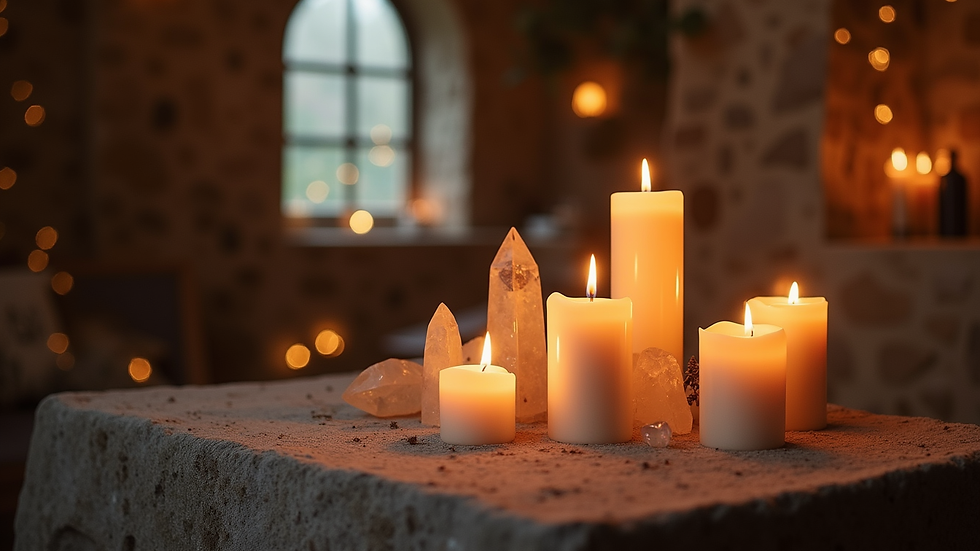
Setting a Sacred Space: Using candles, incense, or crystals to create a focused environment.
Calling the Quarters: Invoking the four elements to protect and empower the space.
Meditation or Visualization: Centering the mind and connecting with spiritual guides.
Spellwork or Intentions: Speaking or writing intentions to manifest change.
Closing the Ritual: Thanking spirits and grounding energy.
This flexibility is a beautiful part of the spiritual practices evolution. It encourages creativity and personal growth while maintaining a connection to tradition.

Embracing Technology and Modern Resources
One of the most exciting aspects of the spiritual practices evolution in witchcraft is how technology has opened new doors. Online communities, digital books, and virtual workshops make learning and sharing accessible to everyone, no matter where they live.
For example, many practitioners now use apps for moon phase tracking, meditation, and tarot reading. Social media platforms offer spaces to connect with others, exchange ideas, and find support. This accessibility helps build a global community while allowing for local, authentic practice.
If you’re curious about integrating technology into your spiritual work, start small. Try a moon calendar app or join an online group that resonates with your path. Remember, technology is a tool to enhance your practice, not replace the sacred connection you cultivate.
Growing Together: Building a Strong, Authentic Community
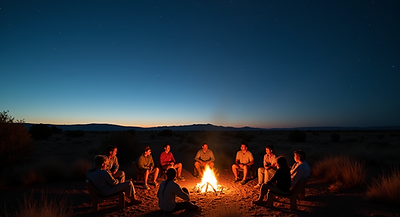
The evolution of spiritual practices in witchcraft is not just about individual growth but also about community. The Sacred Grove Coven aims to be a central hub for practitioners of all pagan paths, especially in the rural high desert. This vision reflects the importance of coming together to share knowledge, celebrate traditions, and support one another.
Community gatherings, workshops, and shared rituals create a sense of belonging and deepen spiritual understanding. Whether you live in a remote area or a bustling city, finding or creating a community can enrich your practice.
Here are some ways to foster connection:
Attend local or virtual pagan events.
Participate in group rituals or study circles.
Share your experiences and listen to others.
Support local artisans and merchants who create spiritual tools.
By growing together, we honor the past and nurture the future of witchcraft.
Exploring the evolution of spiritual practices in witchcraft reveals a path that is alive, adaptable, and deeply meaningful. Whether you are just beginning or have walked this path for years, embracing both tradition and innovation can enrich your journey. Keep an open heart, stay curious, and remember that your unique practice contributes to the vibrant tapestry of witchcraft today.



Comments