
Understanding Sacred Grove Traditions in Modern Witchcraft
- jules Magazzeni
- Jan 26
- 4 min read

When I first stepped into the world of modern witchcraft, I was drawn to the idea of sacred spaces. Among these, sacred groves hold a special place. These natural sanctuaries offer a unique connection to the earth, spirits, and the divine. Today, I want to share what I’ve learned about sacred grove traditions and how they enrich our spiritual practice.
What Are Sacred Grove Traditions?
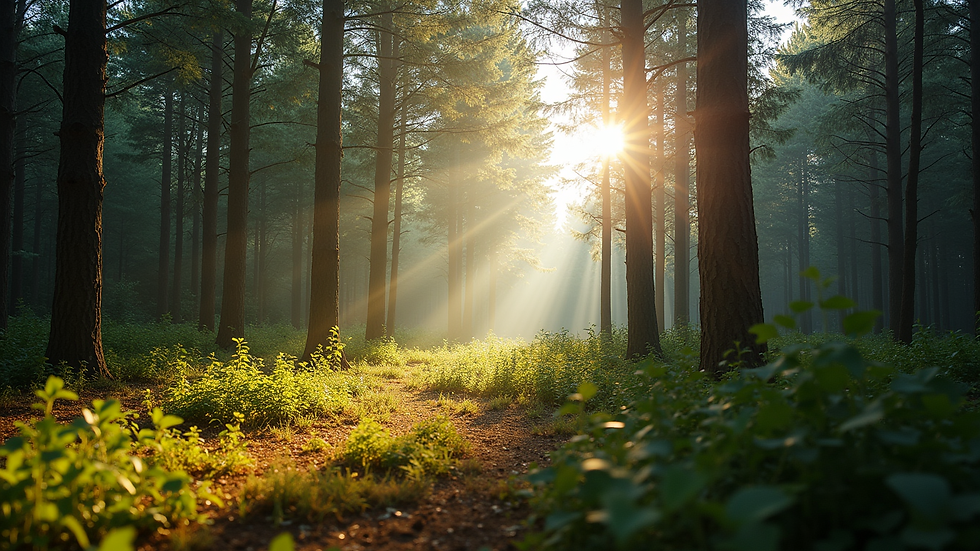
Sacred groves are natural areas, often clusters of trees or small forests, considered holy or spiritually significant. These spaces have been revered across cultures for centuries. In modern witchcraft, they serve as places for meditation, ritual, and communion with nature.
The traditions surrounding sacred groves emphasize respect for the land and its energies. Practitioners often choose groves that feel alive with spirit or history. These spots become a personal or communal altar, a place to honor deities, ancestors, or the natural world.
Why are these traditions important? They ground us in the cycles of nature and remind us of our place within the web of life. Sacred groves invite us to slow down, listen, and participate in the magic of the earth.

How Sacred Grove Traditions Shape Ritual Practice
Incorporating sacred grove traditions into your practice can deepen your connection to the land and your spirituality. Here are some ways these traditions influence ritual work:
Setting Intentions in Nature: Before beginning a ritual, many practitioners take time to attune themselves to the grove’s energy. This might involve walking slowly, touching the bark of trees, or simply breathing deeply.
Using Natural Elements: Ritual tools and offerings often come directly from the grove. Leaves, stones, flowers, and water can all be sacred gifts that enhance your ceremony.
Creating Temporary Altars: A flat stone or a fallen log can serve as an altar. Decorating it with natural items and candles helps focus your energy and honor the space.
Invoking Spirits and Deities: Sacred groves are believed to be homes to spirits, fae, or deities. Calling on these beings during rituals can bring guidance and protection.
By embracing these practices, you invite a sense of reverence and authenticity into your work. It’s a gentle reminder that magic is alive in the world around us.
The Role of Community in Sacred Grove Traditions
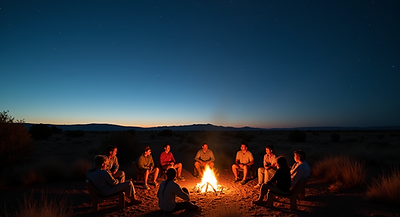
One of the most beautiful aspects of sacred grove traditions is how they foster community. Gathering in a grove for rituals or celebrations creates a shared experience that strengthens bonds.
Group Rituals: Many covens and groups hold seasonal ceremonies in groves. These gatherings honor the cycles of the year, such as solstices and equinoxes.
Teaching and Learning: Sacred groves can be outdoor classrooms where experienced practitioners share knowledge about herbs, folklore, and ritual techniques.
Supporting Local Ecosystems: Community care for sacred groves often includes conservation efforts. This stewardship honors the land and ensures it remains a vibrant spiritual resource.
Whether you participate in group events or simply share stories and tips, the communal aspect of sacred grove traditions enriches everyone involved.

Practical Tips for Creating Your Own Sacred Grove Space
If you don’t have access to a natural grove nearby, don’t worry. You can create a sacred grove space that suits your environment and needs. Here’s how to start:
Choose Your Location: Find a quiet outdoor spot that feels peaceful and safe. It could be a backyard corner, a park, or even a balcony with plants.
Mark the Space: Use stones, branches, or small fences to define your grove area. This helps create a sense of boundary and sacredness.
Add Natural Elements: Bring in potted plants, crystals, feathers, or water bowls. These items invite natural energy into your space.
Establish Ritual Practices: Develop simple rituals to honor your grove. This might include lighting candles, saying prayers, or meditating regularly.
Maintain the Space: Keep your grove clean and cared for. Remove debris, water plants, and refresh offerings as needed.
By nurturing your own sacred grove, you build a personal sanctuary that supports your spiritual growth.
Embracing Sacred Grove Rituals in Your Practice
If you want to explore **sacred grove rituals** more deeply, start by visiting a natural grove or creating your own. Approach the space with respect and openness. Let your intuition guide you in choosing rituals and offerings.
Remember, the power of these rituals comes from your connection to the land and your intention. Whether you’re celebrating a full moon, honoring a deity, or simply seeking peace, sacred groves offer a magical setting.
As you continue your journey, consider joining communities like The Sacred Grove Coven. They provide resources, education, and a welcoming space for practitioners of all paths. Together, we can nurture a vibrant, authentic spiritual community rooted in the beauty of the natural world.
Growing with the Sacred Grove Community
The path of modern witchcraft is ever-evolving, and sacred grove traditions are a living part of that journey. By embracing these practices, you contribute to a larger movement that honors the earth and our shared heritage.
Whether you’re a seasoned practitioner or just beginning, sacred groves invite you to slow down, connect, and celebrate the magic around you. Let’s grow this community together - supporting each other, learning, and protecting the sacred spaces that inspire us.
I encourage you to explore, experiment, and find your own rhythm within these traditions. The earth is waiting to welcome you home.
Thank you for joining me in this exploration of sacred grove traditions. May your path be filled with light, growth, and the gentle power of nature.


Comments